La Crosse Premium Hardwood Flooring

Floor Refinishing

La Crosse Premium Hardwood Flooring refinishes hardwood floors in La Crosse, WI with a full sand to bare wood, stain when you want a color change, and coats of polyurethane in matte, satin, or semi-gloss.

We also take hardwood flooring jobs in Onalaska, Holmen, West Salem, and La Crescent.

  • Free estimates
  • Full sand or screen-and-recoat
  • Dustless HEPA sanding option
  • Matte, satin, or semi-gloss finish
Talk to a Flooring Expert

Get Your Free Estimate

We'll get back to you within one business day.

Floor Refinishing Options

Worn finish, pet stains, and dull traffic lanes are the usual reasons a floor needs sanding or a recoat. We say when a full grit sequence is required and when the existing film can take a new topcoat.

Full Sand and Finish

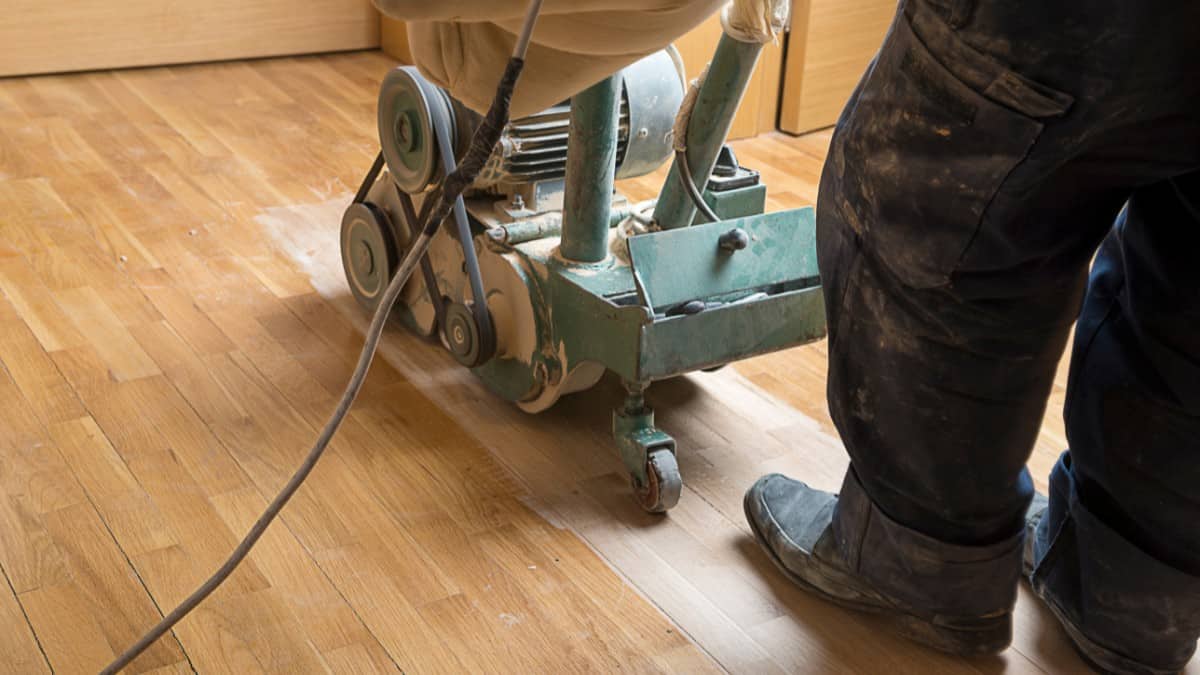
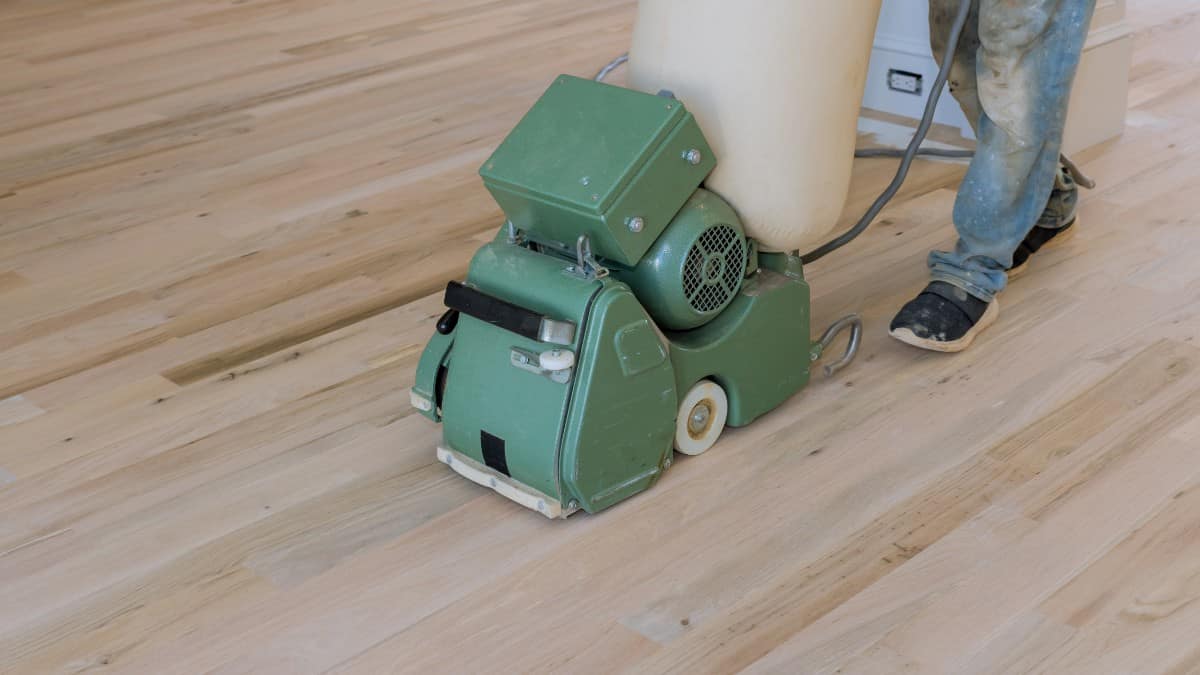
A full refinish sands to bare wood through a grit sequence, then stain and two or three coats of polyurethane. That is the path when finish is worn through, pet-stained, or built up in old layers. Bare wood lets us change color, flatten traffic lanes, and reset the sheen across connected rooms. Board repairs happen first when soft spots would telegraph through the sand. Furniture stays off until the last coat has cured. The outcome is one even floor again instead of patchy wear that a mop cannot hide. Connected rooms are planned as one finish schedule when the floors meet.

Dustless Hardwood Floor Sanding

Dustless sanding hooks the sander to a HEPA vacuum so dust is pulled at the pad instead of settling in the rest of the house. That is still a real sand to bare wood through a grit sequence, not a one-day chemical recoat. Rooms need to stay empty during the cut, but other rooms stay cleaner than an open-bag sand. Edges and corners get the same attention as the field. Containment is about where the dust goes, not a shortcut past the grit sequence. Occupied homes and after-hours commercial jobs are the usual reason people ask for it.

Screen and Recoat

When the finish is only dull, not worn through, a screen-and-recoat is enough. We abrade the existing film and add a new topcoat so you are not paying to cut off good finish. If the film is worn to bare wood in walk paths, a recoat will not stick there and a full sand is the honest call. Waxed or contaminated finish may need extra prep before a new coat will bond. We will say so instead of selling a full sand when the existing film can still take a new coat. You get refreshed protection with less dust and less downtime. That honesty is part of the estimate, not a sales script. If bare wood is showing in traffic lanes, we stop and switch the scope to a full sand.

Grit Sequence and Edge Work

Field sanding moves through a grit sequence so scratches from the coarse cut disappear before stain. Edges, corners, and stair treads get hand and edge-tool work so the room does not show a soft halo around the baseboards. Skipping grits leaves swirl marks that telegraph through clear coats under raking light. Taking the sequence seriously is what separates a flat, even refinish from a floor that still looks tired after the sheen goes on. Flat edges and a clean field are what the clear coats show. Stair treads and landings follow the same grit care so they do not look softer than the field.

Stain and Sheen Choices

Site-finished floors can be stained to match trim or left natural. Red oak takes stain evenly; hard maple can blotch without a conditioner. White oak is a usual pick for gray and natural looks. Sheen choices typically include matte, satin, or semi-gloss so traffic lanes and glare fit how you use the room. Low-VOC formulas help occupied homes and after-hours commercial jobs. We sample sheen in the actual light of the room before locking the finish schedule. Samples in your light beat catalog photos every time.

Floors Found Under Carpet

If you pulled carpet and found original oak or maple, staple holes and paint overspray are normal. Older houses around La Crosse still hide solid boards under carpet. We fill and sand those before the first coat when the boards are thick enough to refinish. Bad sections get replaced first so the sand does not chase soft spots. Pet stains and water rings get assessed for depth before anyone promises a natural stain. Often the wood is worth saving, and the site visit is what proves it. If boards are too thin to sand safely, we say so and talk replacement instead of forcing a refinish.

Our 4-Step Floor Refinishing Process

  1. 01

    Assess Finish and Wear Layer

    We check how much finish is left, whether a recoat will stick, and whether engineered wear layers can take a full sand.

  2. 02

    Repair Soft Spots First

    Failed boards and soft spots get replaced before the grit sequence so problems do not telegraph through the new finish.

  3. 03

    Sand and Contain Dust

    A full grit sequence cuts to bare wood. Dustless HEPA collection keeps other rooms cleaner during the sand.

  4. 04

    Stain, Coat, and Cure

    Stain when you want a color change, then coats of finish with dry time between them. Furniture stays off until the last coat cures.

Floor Refinishing FAQs

How long does it take to refinish hardwood floors?

A full sand and finish is usually 3 to 5 days, including dry time between coats. Board repairs add time before the first grit. Screen-and-recoat jobs are shorter when the existing film is intact. Furniture stays off until the last coat has cured.

Can I stay in the house during refinishing?

Yes. Expect noise on sanding days and finish odor until it cures. Dustless equipment keeps the rest of the house cleaner, but the work rooms still need to stay empty. Pets and kids stay out of the work zone until the schedule says otherwise. Soft pads under chairs wait until the finish has cured.

I pulled up old carpet and found hardwood underneath. Is it worth refinishing?

Often yes. Older houses around here still have solid oak or maple under carpet. Staple holes, paint, and pet spots are common. If the boards are thick enough, we sand and finish them. Bad sections get replaced first so the sand does not chase soft spots.

Can engineered hardwood be refinished?

Yes, if the wear layer is thick enough, about 2 mm or more. Thinner veneers cannot take a full sand without hitting the core. Some factory finishes only take a screen-and-recoat. We check that on site. Product detail also lives on engineered hardwood installation.

Get a Hardwood Flooring Estimate in La Crosse

House or workplace. Tell us which, and we will measure, check moisture, and send a free estimate.

Call NowGet Estimate